Bretagne (Brittany) is one of France’s most captivating regions, with rugged coastlines, medieval towns, unique experiences, and mouthwatering cuisine. Whether you’re visiting for a weekend or a week, this list of the top 10+1 things to do in Bretagne will ensure you make the most of your trip.
2. 🛡️ St. Malo: A City of Corsairs and Resilience
This fortified city is steeped in maritime history. Stroll along its impressive ramparts for stunning views of the sea and the old town. Inside the walls, you’ll find quaint streets brimming with restaurants, cafés, and shops.
Don’t miss Grand Bé Island, which can be reached on foot during low tide. Explore the island’s history and enjoy peaceful seaside walks. Afterward, treat yourself to fresh seafood from the harbor for a true taste of Bretagne.
St. Malo, a historic gem on Brittany’s Emerald Coast, has a rich and colorful past that dates back to the 6th century. Originally founded as a monastic settlement by Welsh monk Saint Maclou, the town evolved into a thriving port during the Middle Ages. By the 16th and 17th centuries, St. Malo had become famous as a base for corsairs—privateers authorized by the French crown to raid enemy ships. These daring seafarers brought immense wealth to the city, earning St. Malo a reputation as a stronghold of maritime power and independence. In fact, the city even briefly declared itself an independent republic in the late 16th century, with the motto, “Neither French, nor Breton, I am Malouin.”

3. 🕰️ Dinan: A Medieval Masterpiece
Step back in time in Dinan, a medieval gem filled with half-timbered houses and charming cobblestone streets. Climb the Tower of the Clock for panoramic views of the town and surrounding countryside.
The riverside is equally enchanting. Walk along the banks of the River Rance or take a boat ride to see Dinan from a different perspective. Don’t forget to indulge in crêpes, galettes, and cider at local eateries—it’s Bretagne’s classic trio.
Dinan’s history dates back over a thousand years, making it one of Brittany’s most enchanting medieval towns. Originally a strategic stronghold perched above the River Rance, it flourished in the 13th and 14th centuries as a bustling center for trade and craftsmanship. Its well-preserved ramparts, half-timbered houses, and cobbled streets are a legacy of this golden age. Dinan played a significant role during the Breton Wars of Succession, with its iconic castle and fortifications defending the town against sieges. Today, Dinan’s historic charm transports visitors back in time, offering a vivid glimpse into Brittany’s medieval past.

4. 🏌️♂️ Try Golf
Brittany offers a variety of beginner-friendly golf experiences. Most courses have practice facilities like driving ranges where you can rent clubs and get a feel for the sport.
Consider signing up for a lesson or joining a “Try Golf” program. These affordable options include basic instruction and equipment rental, making it easy for first-timers to give golf a shot.
5. 🐎 Horse Riding on the Beach
Experience Bretagne’s dramatic coastline on horseback. Galloping along vast beaches with crashing waves and rugged cliffs in the background is unforgettable.
Two great options near St. Malo include:
- Haras du Buot (Saint-Méloir-des-Ondes): Offers beach rides and lessons.
- La Cravache de Saint-Malo (Saint-Coulomb): Provides various excursions depending on the season.
Contact these centers directly for booking details.
6. 🛶 Try Char à Voile
Char à voile, or land sailing, combines the thrill of sailing with the speed of a three-wheeled cart. Glide across Brittany’s sandy beaches powered by the wind—it’s a unique and exhilarating experience.
Avel Char à Voile is a great place to try this sport. They offer introductory lessons for individuals and group activities for team-building or fun races. Book directly on their website for flexible options.
7. 🛳️ Jersey: A Blend of Histories
The scenic ferry from St. Malo to Jersey takes just 1 hour and 25 minutes, offering a quick escape to this stunning island. Operated by Condor Ferries, this journey is perfect for a day trip or a longer stay.
Once on Jersey, explore dramatic cliffs, pristine beaches, and historic castles. The island’s mix of British and French influences makes it a fascinating destination. Visit the Condor Ferries website for tickets and schedules.
Jersey, the largest of the Channel Islands, boasts a rich and complex history shaped by its strategic location between England and France. First settled during the Neolithic period, Jersey’s history spans Roman influences, Viking raids, and centuries of Anglo-Norman rule. It became a Crown dependency in 1204 when King John lost mainland Normandy to France. Over the years, Jersey played a key role as a fortress island, particularly during the English Civil War and World War II, when it endured German occupation. Today, its historic castles, ancient dolmens, and wartime relics reflect its fascinating blend of cultural and historical influences.
8. 🥞 Learn to Make Galettes
Galettes, Bretagne’s savory buckwheat crêpes, are a must-try—and making them yourself is even better! At Atelier Crêpe, you can take a 3-hour workshop to master this iconic dish.
Workshops cost €85 per person and include all ingredients and equipment. Visit their website for booking details and schedules. It’s a delicious way to connect with local culture.
9. 🦪 Visit an Oyster Farm
Cancale, the oyster capital of Brittany, is home to La Ferme Marine, one of France’s largest oyster farms. Learn about the oyster farming process on a guided tour and sample the freshest oysters straight from the sea.
Tours cost €10 per person and are available Tuesday to Saturday. Reservations are recommended—call +33 2 99 89 60 20 to book.

10. 🌊 Walk the GR® 34 Coastal Path
Known as the “Sentier des Douaniers” (Customs Officers’ Path), the GR® 34 is a legendary 2,000-kilometer trail that hugs Brittany’s stunning coastline. Whether you want a short walk or a multi-day trek, this trail offers breathtaking views of cliffs, beaches, and fishing villages.
Pack your boots and explore this wild and beautiful path. Maps and detailed sections are available on the Brittany Tourism website.
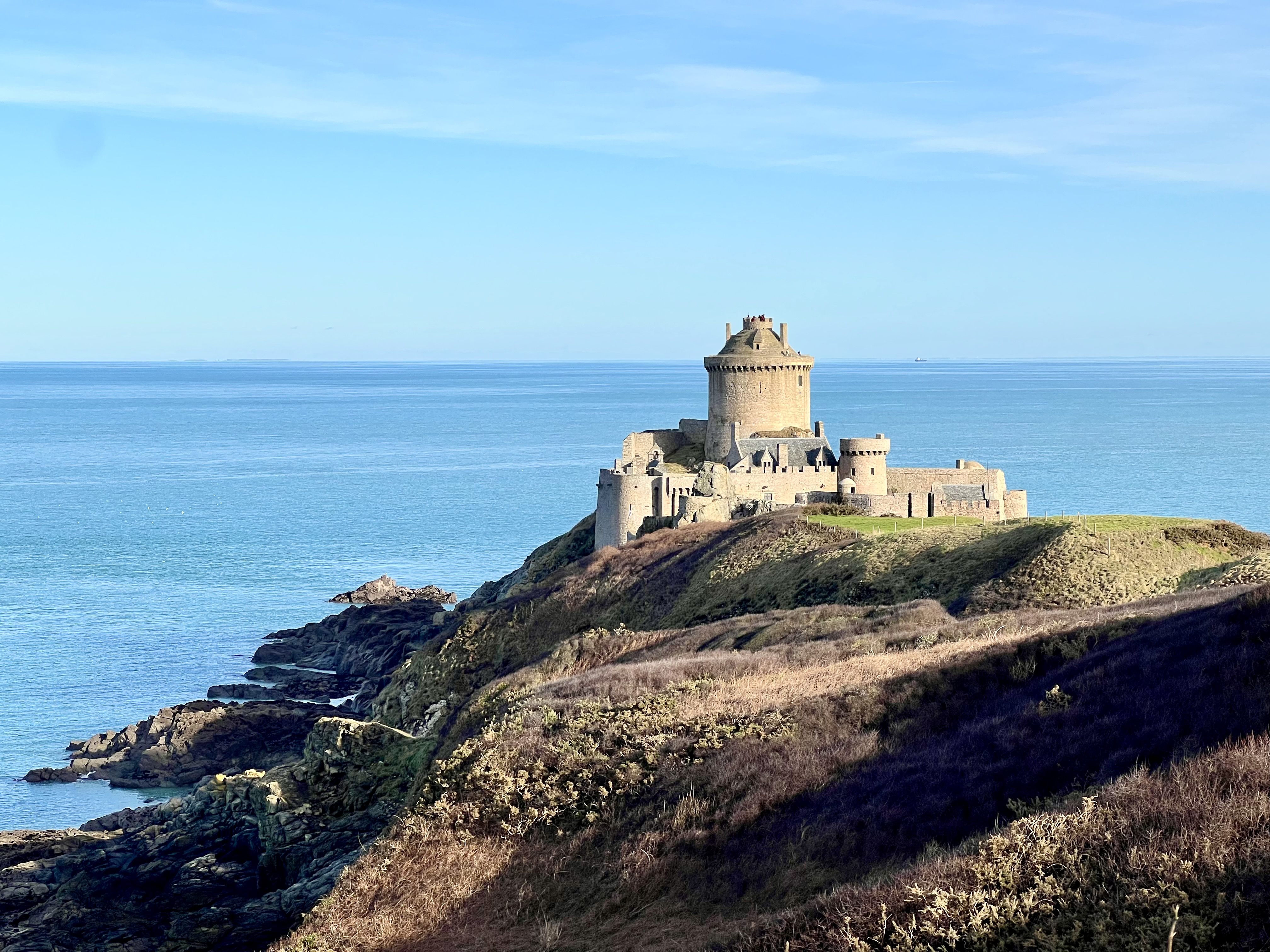
+1 🏰 Fort la Latte: A Medieval Treasure on the Edge of Brittany
Fort la Latte, or the Castle of the Rock Goyon, stands as one of Brittany’s most stunning landmarks, perched high on a rocky cliff overlooking the English Channel. This 14th-century fortress is not only a marvel of medieval architecture but also a window into the region’s turbulent past. From pirate invasions to legendary sieges, every corner of this castle tells a story.
Visitors can wander through the castle’s ancient halls, scale its towering ramparts, and take in sweeping views of the rugged Breton coastline. Whether you’re a history buff or simply seeking breathtaking scenery, Fort la Latte delivers an unforgettable experience. Be sure to check their calendar, as the castle often hosts lively festivals and reenactments that bring its rich history to life.