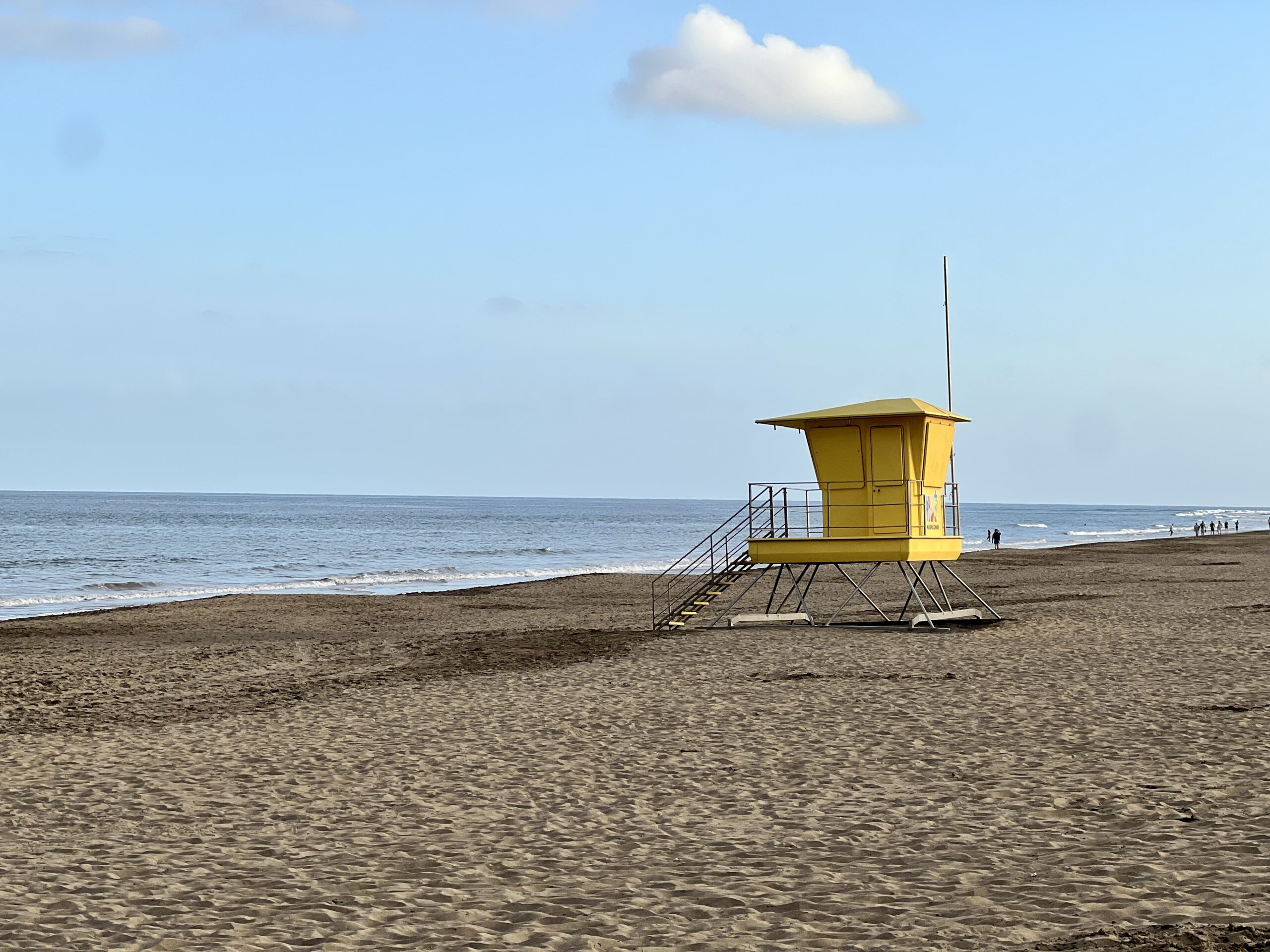
7 daysGran Canaria
Gran Canaria in 7 Days: The Ultimate First-Time Itinerary
A one-week Gran Canaria road trip through beaches, mountain villages, volcanic viewpoints and coastal towns, planned for a first visit without unnecessary backtracking.

Europe
Spain blends historic cities, Mediterranean beaches, dramatic landscapes, and a food culture that makes every region feel distinct.
Spain is one of Europe’s most varied destinations, with each region offering its own character, traditions, landscapes, and cuisine. You can spend a city break exploring Madrid or Barcelona, slow down in the white villages of Andalusia, hike in the mountains, or head to the coast and islands for beaches and warmer weather. Excellent transport links make it easy to combine several destinations in one trip, while the country’s strong regional identities mean there is always more to discover beyond the headline sights.
EU passport holders: No visa required under EU free-movement rules.
U.S. passport holders: Visa-free for short stays under Schengen rules.
Other nationalities: Entry and visa requirements depend on nationality and trip length; check current official requirements before travelling.
Cities in Spain covered by Travelisse guides.